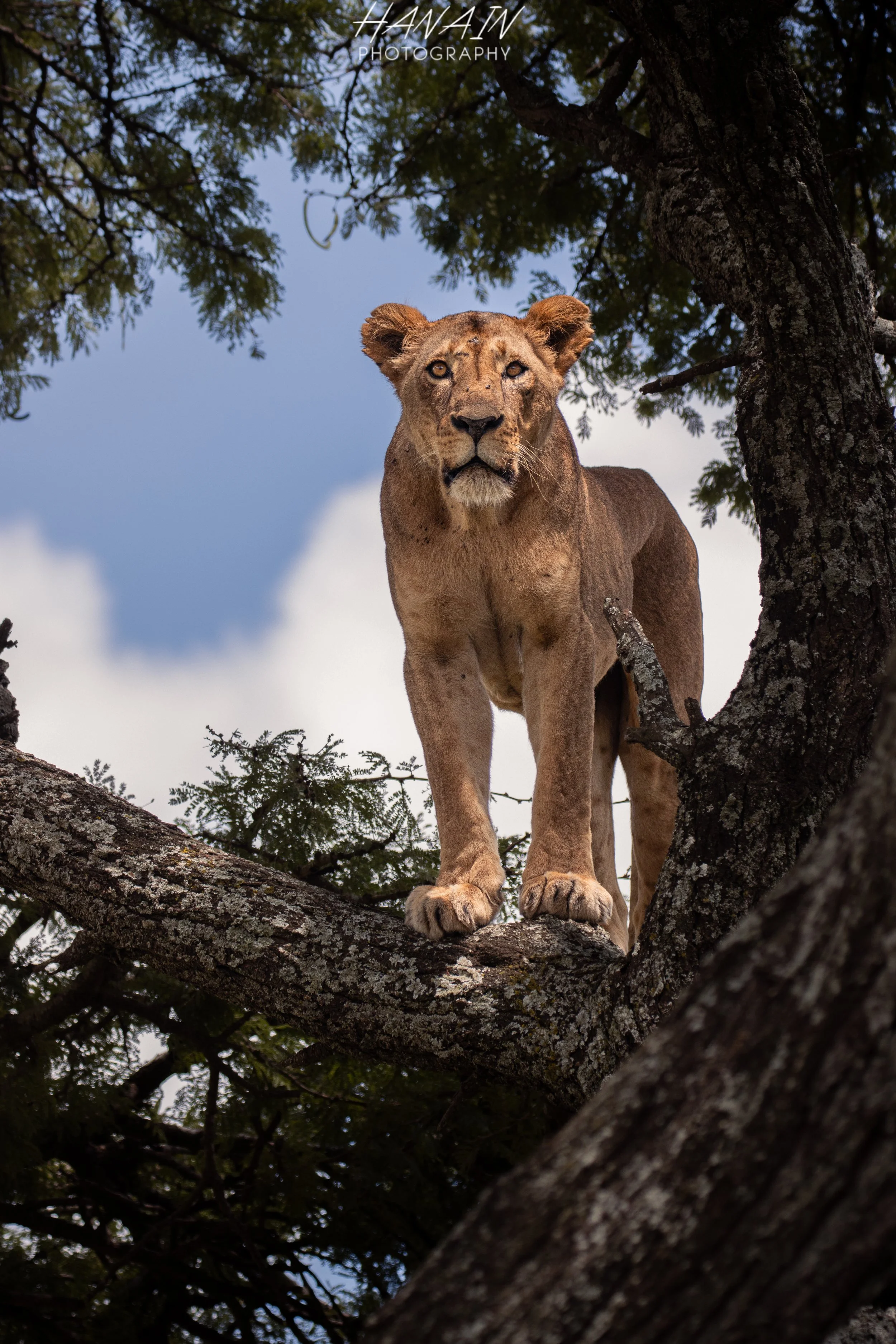
Lions still roam at the edge of this city.
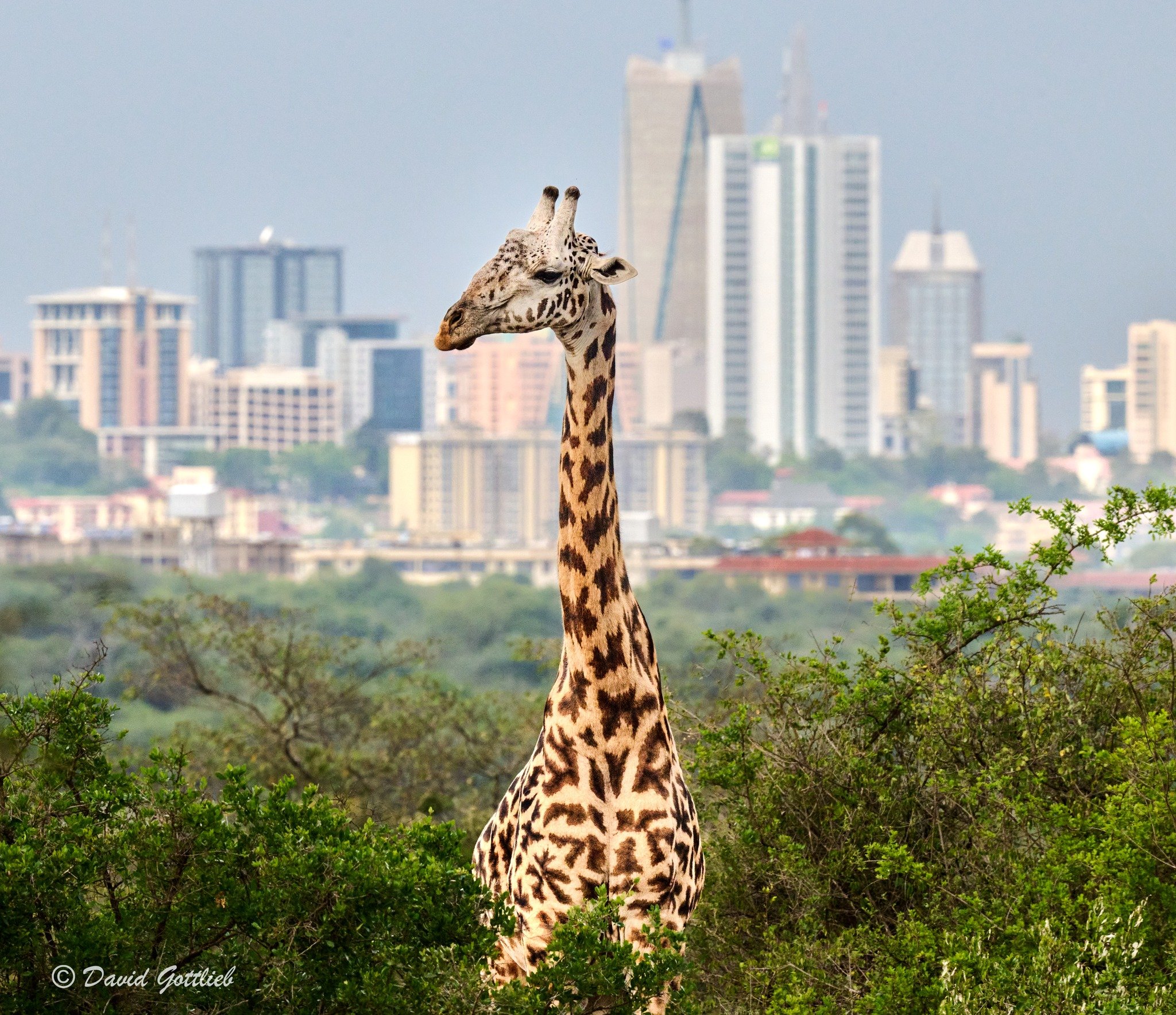
Nairobi National Park is the only park on Earth bordering a capital city. FoNNaP works alongside the Kenya Wildlife Service to keep it wild, forever.
1946
Year the park was gazetted — Kenya's oldest
1995
Year Friends of Nairobi National Park was founded
29,000
Acres of savanna, forest and wetland
500+
Bird species recorded, among Kenya's highest counts
100+
Mammal species, including four of the Big Five
Who We Are
Friends of Nairobi National Park
Since 1995, Friends of Nairobi National Park has stood alongside the Kenya Wildlife Service in protecting one of the world's most unusual conservation stories, a wildlife sanctuary sharing its edge with a capital city of over four million people. We work with KWS and the communities living next to the park, running conservation projects that keep this habitat healthy for the lions, rhinos and countless other species that call it home.
The park's survival depends on more than its fenced boundary. South of it, the Athi-Kapiti Plains, Kitengela, Isinya, Kipeto and the Kapiti ranches have come under growing pressure in recent years, as development and land-use change close off the routes wildlife has relied on for generations. We're working with other conservation and community groups to reopen these wet season migration corridors, easing human-wildlife conflict and giving the park's animals the room they need to move, breed and thrive.
FoNNaP is a registered non-profit membership society under Kenya's Societies Act, and our work is only possible because of members and supporters who share this vision.
Join us, and help keep Nairobi National Park wild for generations to come.
Our Work
Advocacy
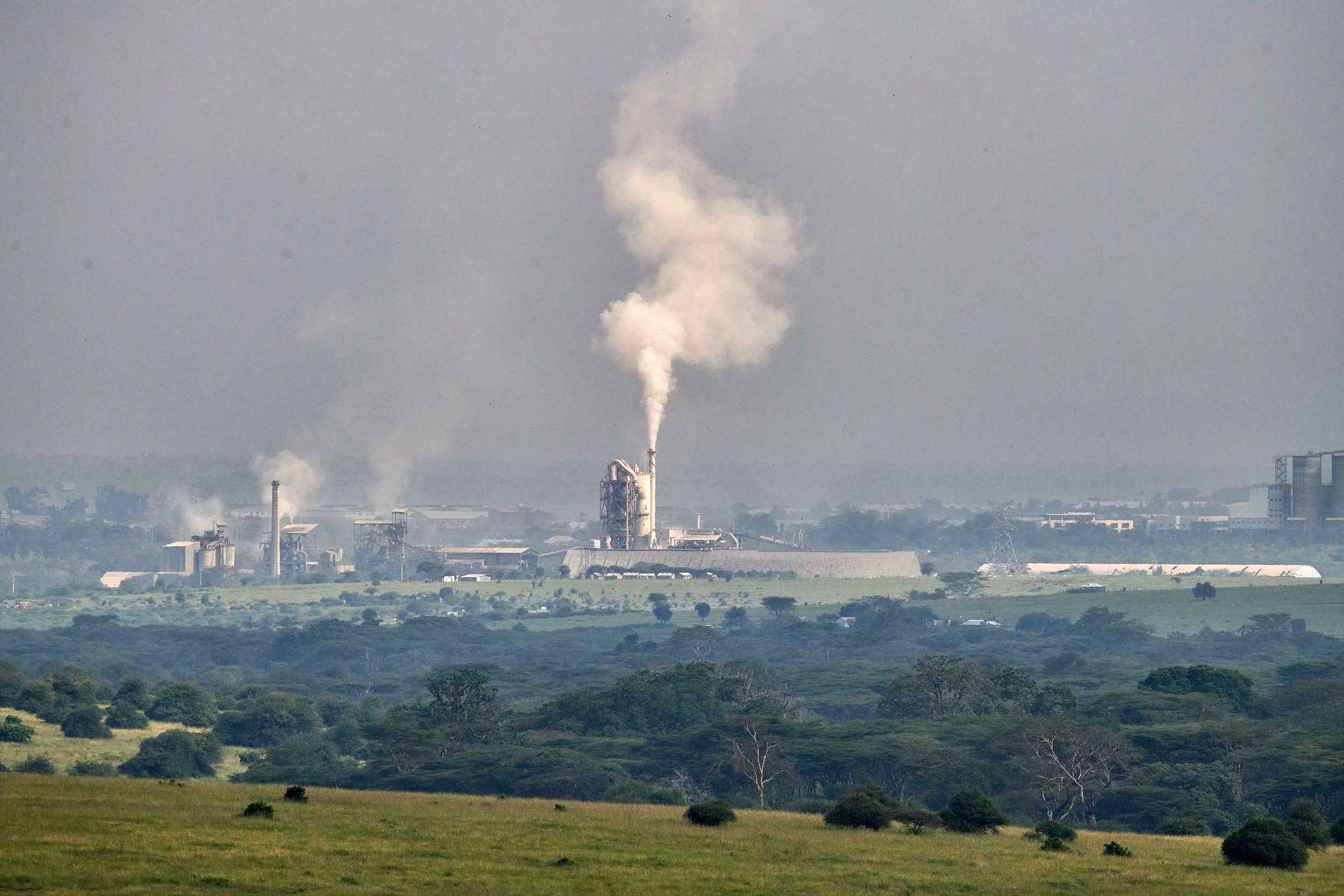
The SaveNNP Campaign is a volunteer-led initiative spearheaded by FoNNaP, working to ensure Nairobi National Park is protected and remains true to its original purpose as a biodiversity conservation asset. The campaign began at a time when several government projects were being planned or implemented inside the park, and it has since grown into a sustained, coordinated effort. With the support of a consortium of partners, SaveNNP continues to engage the Kenya Wildlife Service, communities living south of the park, and other stakeholders on strategies to better conserve Nairobi National Park and its wider ecosystem.
-
Past engagements
The Southern Bypass
FoNNaP members took legal action against the relevant authorities over the construction of the Southern Bypass through Nairobi National Park.Campaign against the SGR across NNP
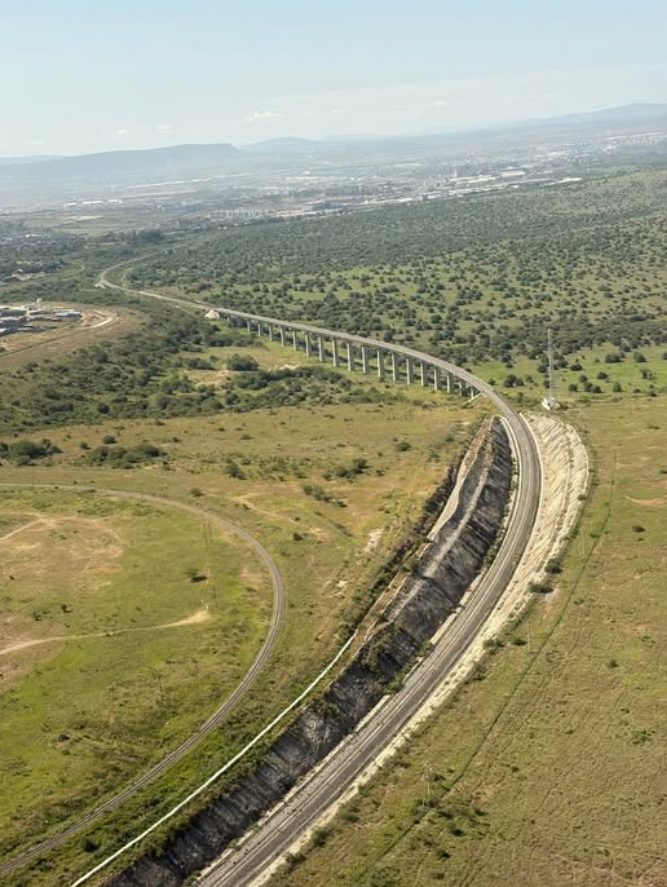
The SaveNNP Campaign led the Reroute the SGR Campaign, advocating for the Standard Gauge Railway to be realigned away from Nairobi National Park. This included a series of peaceful protests and legal actions challenging the railway's route through the park. While the railway was ultimately built through the park, the campaign's efforts helped secure an elevated track, allowing wildlife and visitors to pass unimpeded beneath it.Campaign against the Nairobi Animal Orphanage development
Nairobi National Park is currently facing a proposed Animal Orphanage and parking lot development that would convert protected habitat into a commercial zone. FoNNaP has filed a legal petition challenging the project, citing loss of wildlife habitat, a poorly conducted Environmental Impact Assessment, and a breach of the area's protected status. Over 4,600 Kenyans have joined the case as co-petitioners.Current engagements
The SaveNNP Campaign is working closely with partners and the Kenya Wildlife Service to align the proposed Nairobi National Park Management Plan with measures that protect biodiversity both inside and outside the park, while supporting sustainable tourism. The campaign also continues to respond to ongoing threats to the park, including monitoring and reporting incidents of pollution.
Research
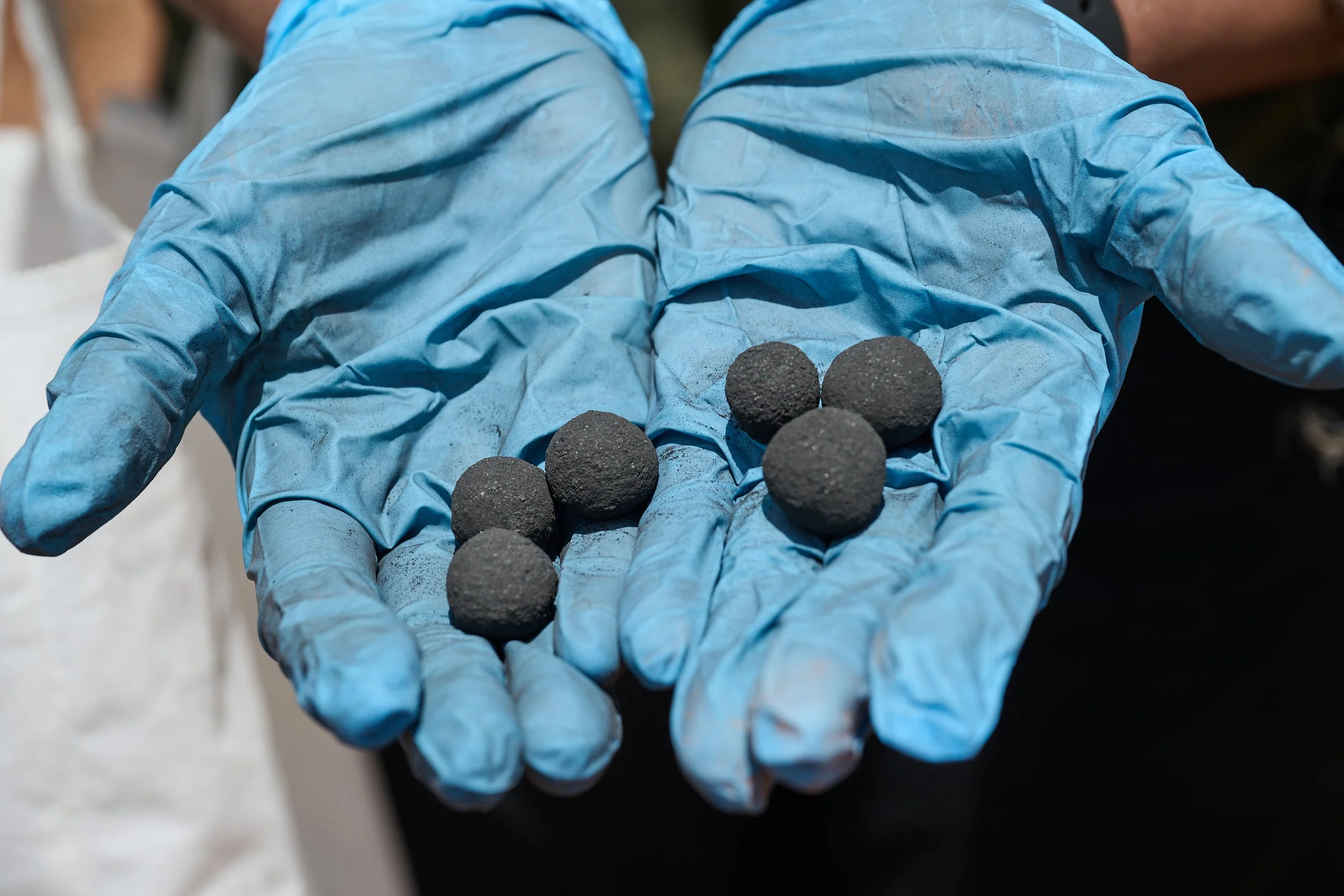
Good conservation decisions need good data behind them, and that's the gap FoNNaP's new research wing is being built to fill. Currently underway, this initiative will see FoNNaP conduct research into the various issues facing Nairobi National Park and its bordering ecosystem, working to surface practical solutions rather than just documenting problems.
-
The work will be carried out through collaborations with learning institutions, alongside joint research and publishing partnerships, bringing academic rigor together with FoNNaP's decades of on-the-ground presence in the park. It's a natural next step for an organization that has spent thirty years gathering data through its members, and now aims to put that data to fuller use.
As part of this ongoing work, Nairobi National Park's animal population trends over the years, drawn from our game count activities, can already be accessed by members in our members' section.
Community
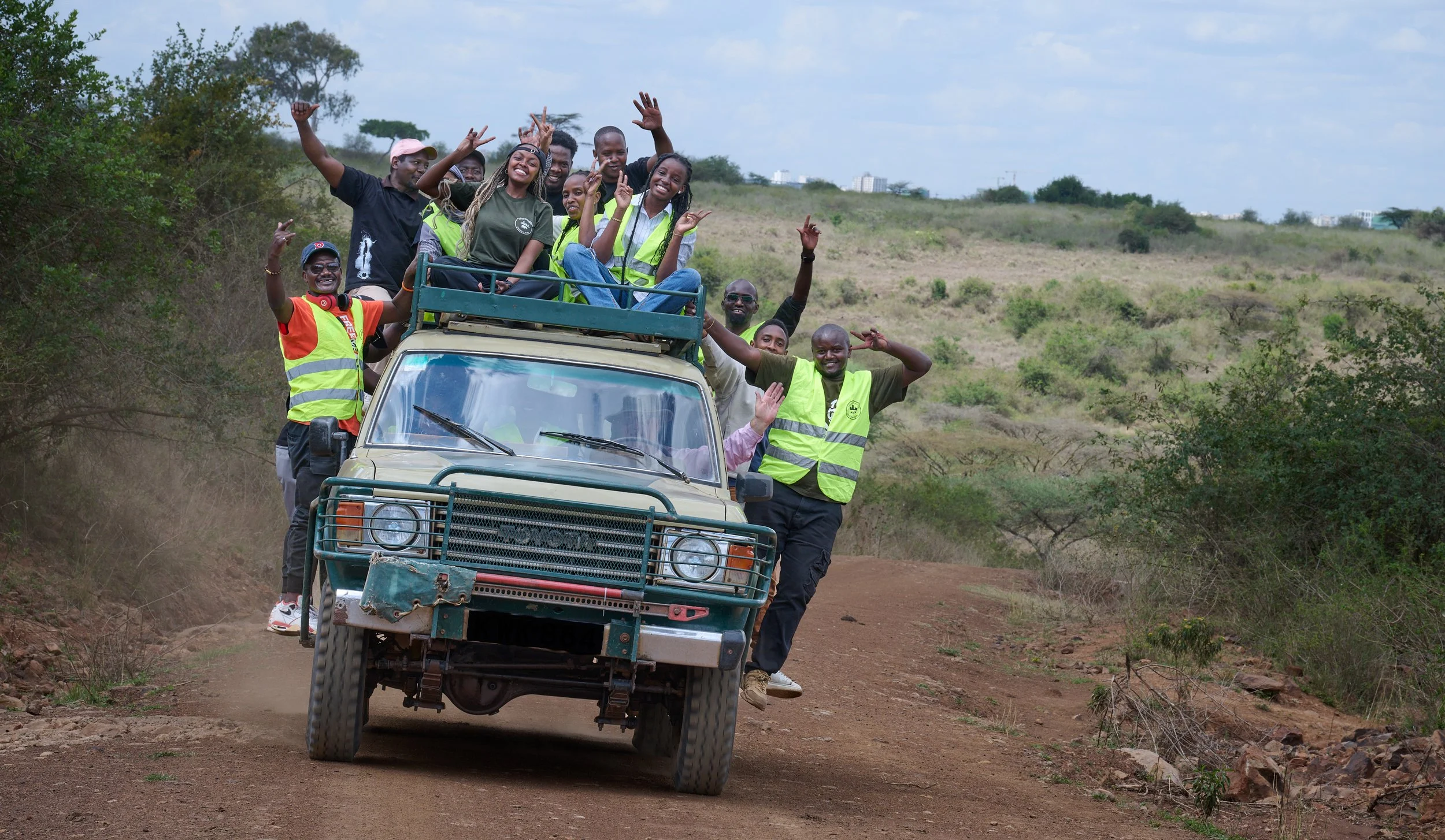
FoNNaP has, for a long time, been supporting the installation of LED predator deterrent systems, often called Lion Lights, in the Athi-Kapiti wildlife dispersal area. The installation of these lights serves to reduce night-time predator attacks on livestock during the night, therefore reducing human-wildlife conflict in the dispersed areas of Nairobi National Park. The flashing lights are installed around livestock enclosures, where they give false alarms of human activity, thereby deterring predators.
-
For pastoralist communities living in this dispersal area, a lion or hyena getting into a boma at night can mean losing a season's worth of livelihood in minutes. That loss breeds resentment toward wildlife, and in some cases, retaliatory killings that put already vulnerable predator populations at further risk. Reducing these night-time attacks is one of the most direct ways to protect both livestock and the animals that make Nairobi National Park worth protecting.
This is where Lion Lights come in. FoNNaP has long supported the installation of these LED predator deterrent systems around livestock enclosures in the Athi-Kapiti area. The lights flash in a pattern that mimics the movement of a person with a torch, enough to convince a lurking predator that someone is on watch. It's a simple idea, but an effective one, and it means families can protect their animals without resorting to snares, poison or spears.
Each Lion Lights unit costs Ksh 30,000, and every set installed is a small but real investment in coexistence between people and wildlife on the park's borders.
If you'd like to support this work, visit our donate page and select the Lion Lights project from the menu.
Citizen Science
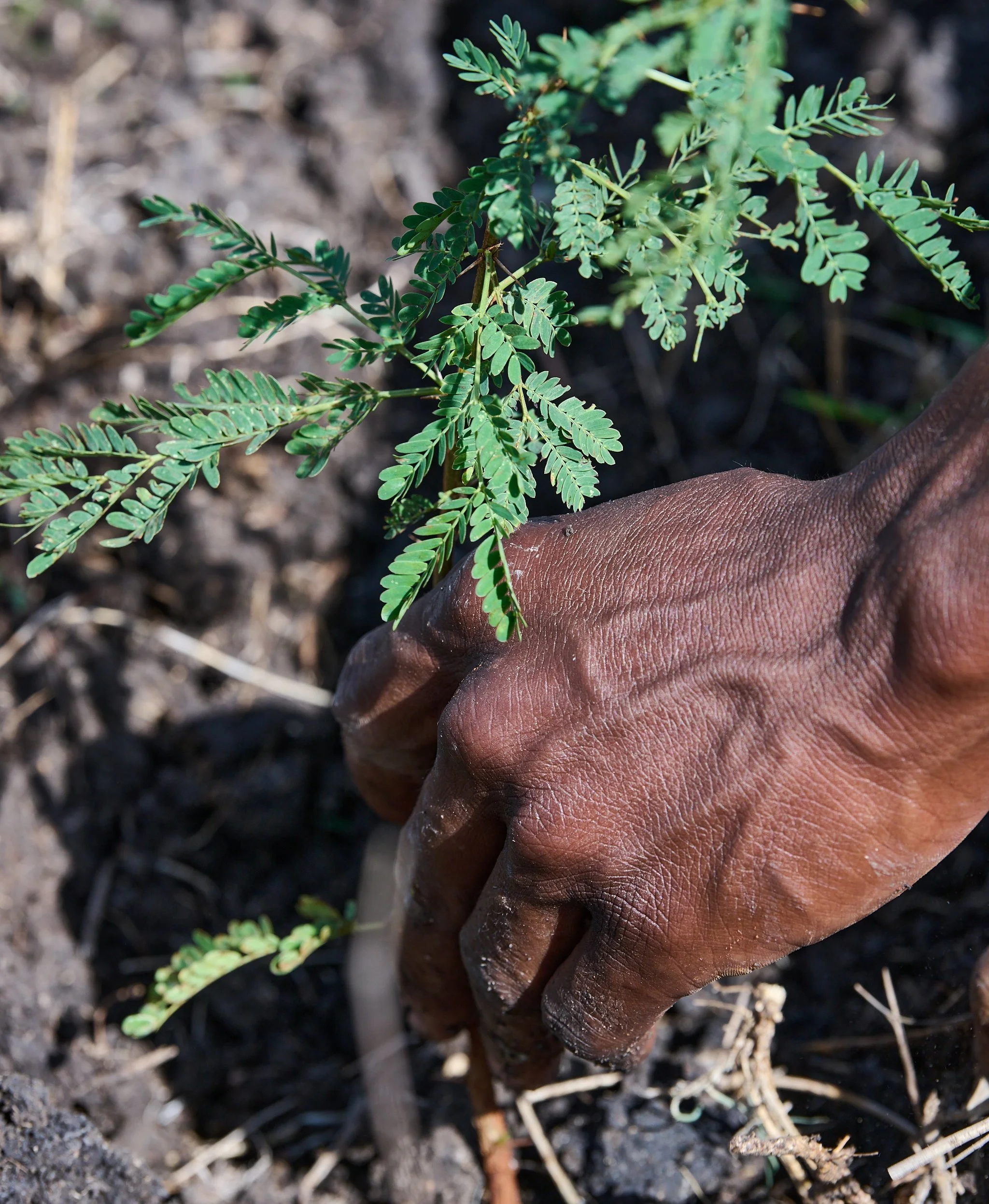
Since FoNNaP's founding in 1995, our members have been the eyes and hands behind three activities carried out in partnership with Kenya Wildlife Service: game counts, tree plantings and park clean-ups. Each one plays a direct role in keeping Nairobi National Park healthy, and each depends entirely on volunteers giving their time.
-
Game counts happen once every two months. Members are paired up and assigned a block of the park to cover, recording the wildlife they see during the exercise. Over time, this data builds a picture of how species numbers are shifting inside the park, information that both KWS and FoNNaP rely on to guide research and conservation decisions. It's one of the clearest ways an ordinary member can contribute real, usable science just by showing up and paying attention.
The clean-up activities tackle a different threat, plastics and other solid waste that find their way into the park and put its biodiversity at risk. Tree planting adds to the park's cover for the years ahead. Together with the game counts, these activities form a rhythm of hands-on care that has kept the park's ecosystem in view for three decades.
Members can review Nairobi National Park's wildlife trends over the years, drawn directly from game-count data (accessible with a valid membership number).
To take part in any of these activities, you'll need to be a FoNNaP member. Visit our membership page to join. Thank you.
Education
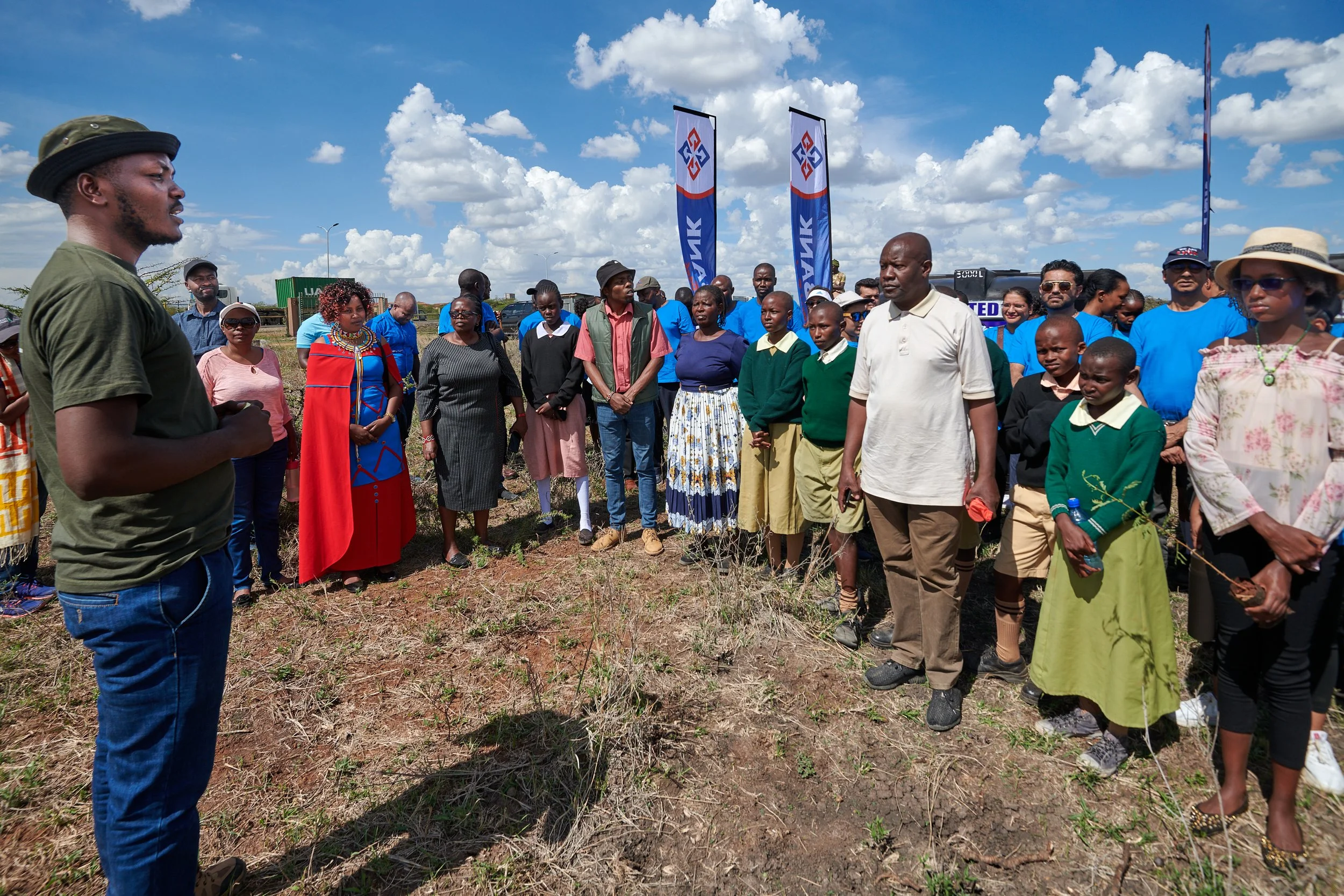
Environmental awareness is not something you can teach entirely from a classroom. For nearly as long as FoNNaP has existed, we've been bringing students from schools around Nairobi and its surrounding communities into Nairobi National Park itself, giving them a first-hand look at the wildlife and habitats we work to protect. The goal is simple: children who grow up connected to Kenya's wild spaces are the ones most likely to fight to keep them alive.
-
These trips have reached a wide cross-section of Nairobi's young people, from schools in informal settlements and local communities to established schools in the heart of the city. Wherever they come from, the experience of standing in the park and seeing its wildlife up close tends to leave a lasting impression, one that a textbook alone rarely can.
None of this would be possible without support. We're grateful to Hillcrest, Banda and Brookhouse schools for their generous donations toward our educational programs, help that has allowed more students to take part.
FoNNaP's educational work isn't limited to school groups. We also run programs for the general public, most recently a Snake Talk at the AFEW Giraffe Center, and have previously hosted workshops and talks covering topics from invasive species to endangered species conservation.
Why We're Here
Our vision & mission
Mission
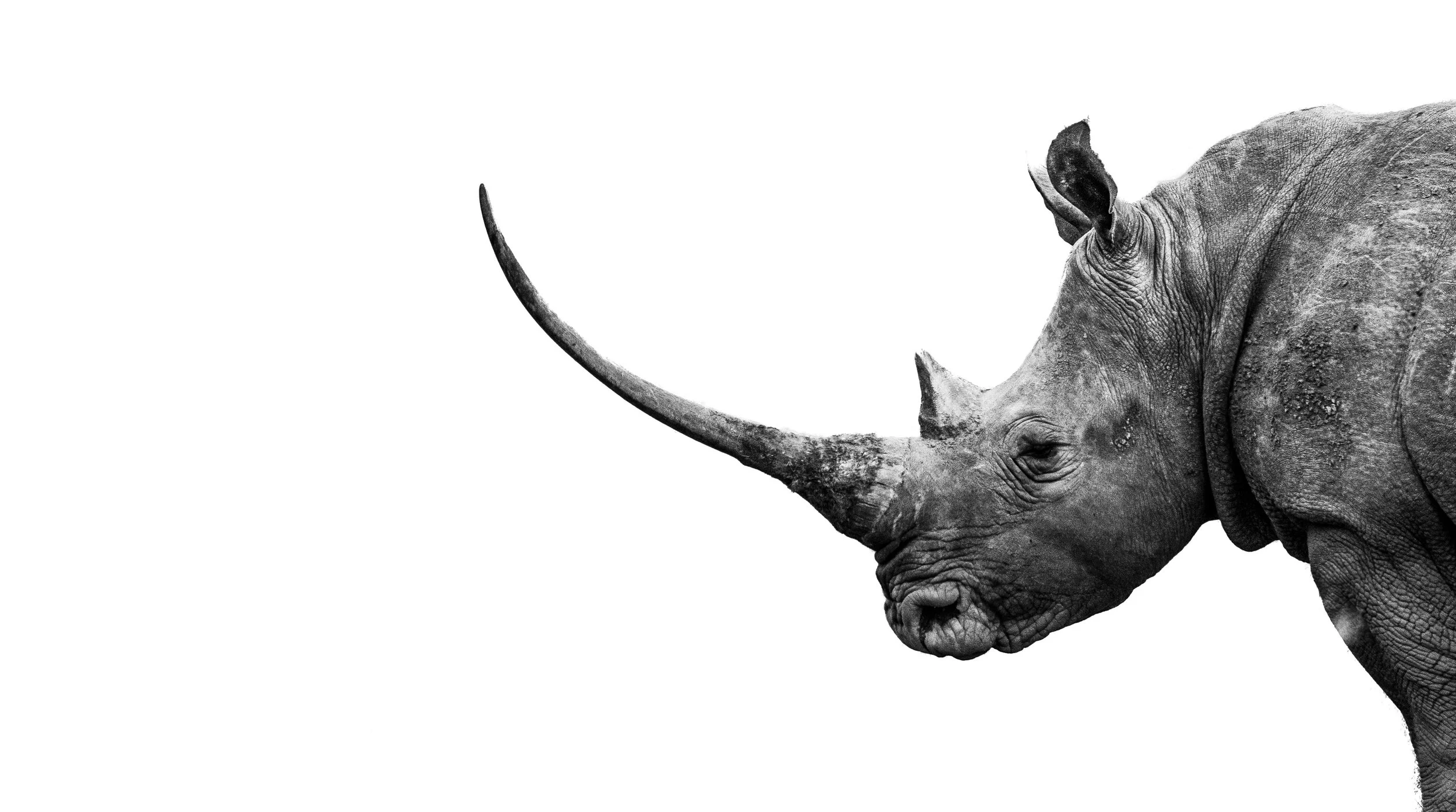
"A city that never loses its wild heart."
A Nairobi where lions, rhinos and giraffes still roam beside the city, and where the park remains forever wild for every generation to come.
Vision
"Standing with those who protect the park."
We support the Kenya Wildlife Service in safeguarding Nairobi National Park, working with communities and partners to keep its biodiversity thriving for the long term.
Thirty years of standing with the park
-
![]()
1995 FoNNaP founded
Registered as a non-profit membership society to support the Kenya Wildlife Service in protecting Nairobi National Park.
-
![2012Legal action against the Southern Bypass]()
2012 Legal action against the Southern Bypass
FoNNaP members took legal action over construction of the Southern Bypass through the park.
-
![Martial Eagles]()
2016 Reroute the SGR campaign
Led peaceful protests and legal action against the Standard Gauge Railway route through the park. The track was ultimately elevated so wildlife could pass safely beneath it
-
![Black Neck Spitting Cobra]()
2026 SaveNNP coalition
Helped found SaveNNP with JustAct, Greenpeace and the Green Belt Movement, including a funeral procession march from Galleria to the KWS gate and a legal filing by JustAct and Kituo Cha Sheria.


Nairobi National Park
About NNP
Nairobi National Park (NNP) was established and gazetted in 1946; and it is Kenya’s oldest Conservation area. The park has gained prominence as a secure refuge and breeding ground of global significance for many endangered species,
(Scroll below to see a list of some of the endangered species. A complete list of endangered species and other wildlife and plants will soon be found on our Field Guide in the Visit NNP section of this website.)
For the past 75 years, the park has been the setting for numerous studies on wildlife behavior, ecology, and conservation management.
NNP is unique among wilderness areas in that it is located on the doorstep of Nairobi, a major city and center of an expanding megalopolis.
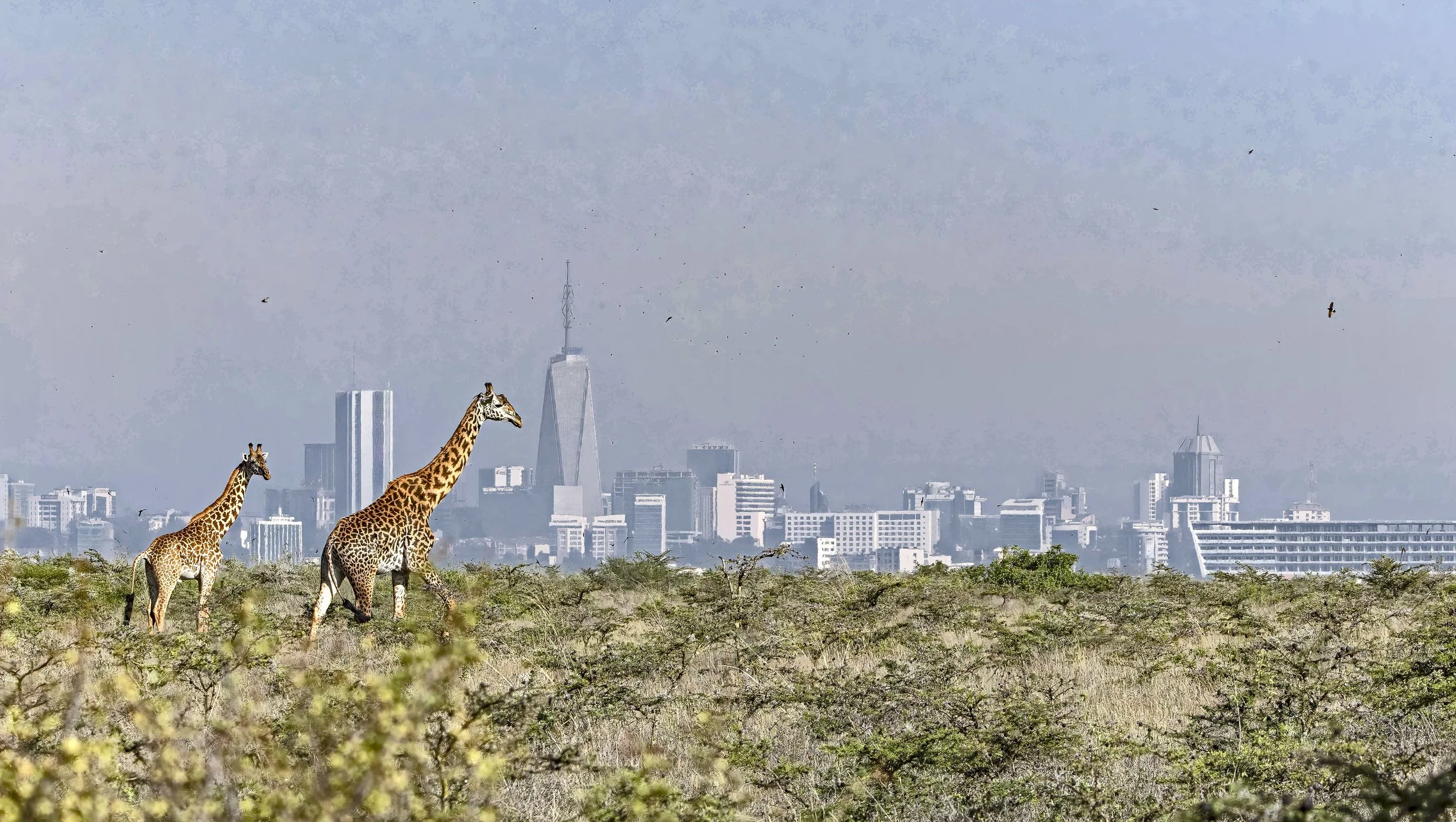
Nairobi National Park is home to many endangered species. Let’s keep them alive and thriving in a clean and protected environment!
Endangered!!
Nairobi National Park (NNP)supports an incredibly diverse array of species amid growing pressures from urban expansion.
FoNNaP emphasizes the park's role in conserving biodiversity, including many species close to extinction, through initiatives like their bi-monthly game counts and the NNP Biodiversity Drive, which tracks mammals, birds, reptiles, and plants.
This list of endangered species focuses on those confirmed in the park.
Conservation in the park, supported by FoNNaP and KWS, involves anti-poaching strategies, habitat restoration, and community engagement to address threats like urban sprawl, human-wildlife conflict and invasive plant species.
Birds at risk
Grey Crowned Crane (Balearica regulorum): Endangered.Present in wetlands and grasslands; global population approximately 60,000 declining from wetland drainage, overgrazing, and pesticide use.
White-backed Vulture (Gyps africanus):Critically Endangered.Scavenger species facing severe declines from poisoning and habitat loss.
Lappet-faced Vulture (Torgos tracheliotos): Endangered.Spotted in the park's grasslands and savannas; global population declining rapidly due to poisoning, habitat loss, and persecution, with fewer than 6,000 mature individuals estimated worldwide.
Rüppell's Vulture (Gyps rueppelli): Critically Endangered.Similar threats as above; often seen soaring over the park.
Secretarybird (Sagittarius serpentarius): Endangered.Hunts in grasslands; declining due to habitat conversion.
Bateleur (Terathopius ecaudatus): Endangered.Aerial hunter; affected by reduced prey and poisoning.
Kori Bustard (Ardeotis kori): Near Threatened.Large ground bird in open areas; sensitive to disturbances.
The park hosts over 500 bird species, one of Kenya's highest counts, with several at risk due to habitat degradation, poisoning, and collisions.
Mammals at Risk
Black Rhinoceros (Diceros bicornis): Critically Endangered.A key conservation success story in the park, protected from poaching.
Southern White Rhinoceros (Ceratotherium simum simum): Near Threatened. Another rhino success story!
African Lion(Panthera leo): Vulnerable.About 40 individuals; recognized as a Lion Conservation Unit by IUCN, but faces human-wildlife conflict when ranging outside the park. Population varies
Cheetah (Acinonyx jubatus): Vulnerable. Small, elusive population; threatened by habitat fragmentation, and prey competition and low prey density.
Leopard (Panthera pardus): Vulnerable.Rarely sighted; impacted by urban encroachment and prey competition.
Maasai Giraffe (Giraffa tippelskirchi):Endangered.Approximately 99 individuals recorded in 2019 surveys; faces threats from habitat loss and illegal hunting. Globally, around 35,000 remain in the wild across Africa, down ~50% since the 1980s due to land conversion, poaching, and fragmentation.
Extinction is Forever !!!

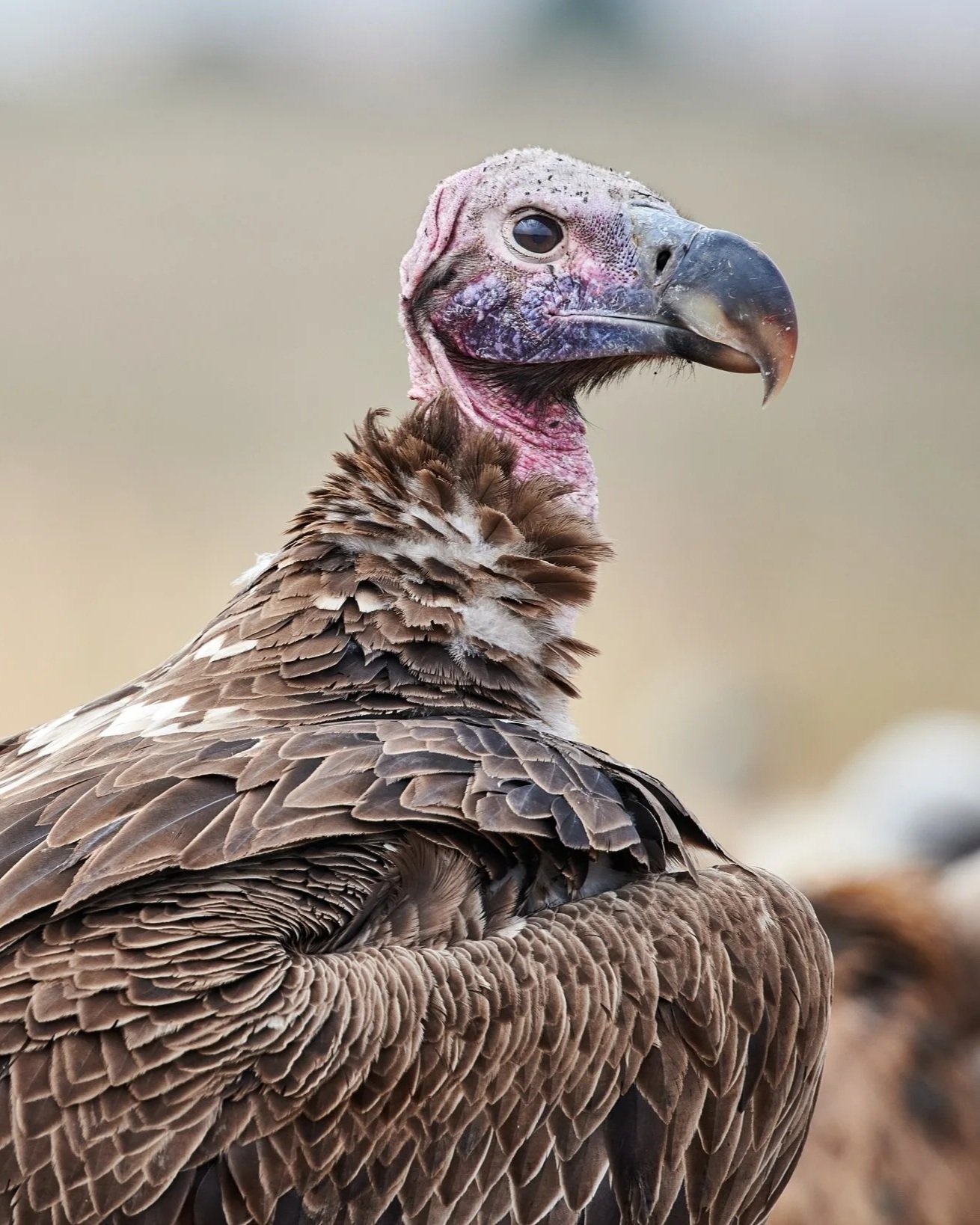
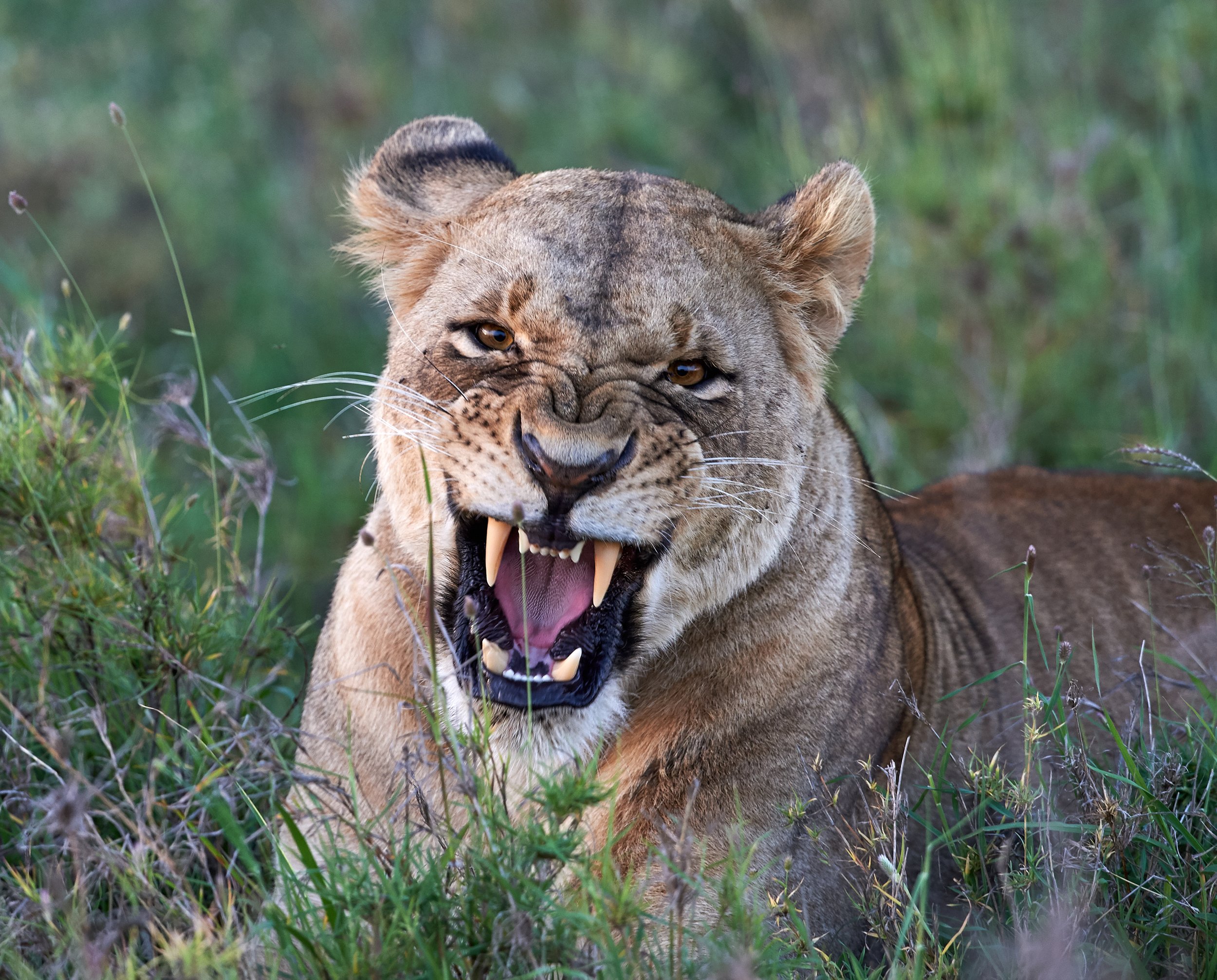
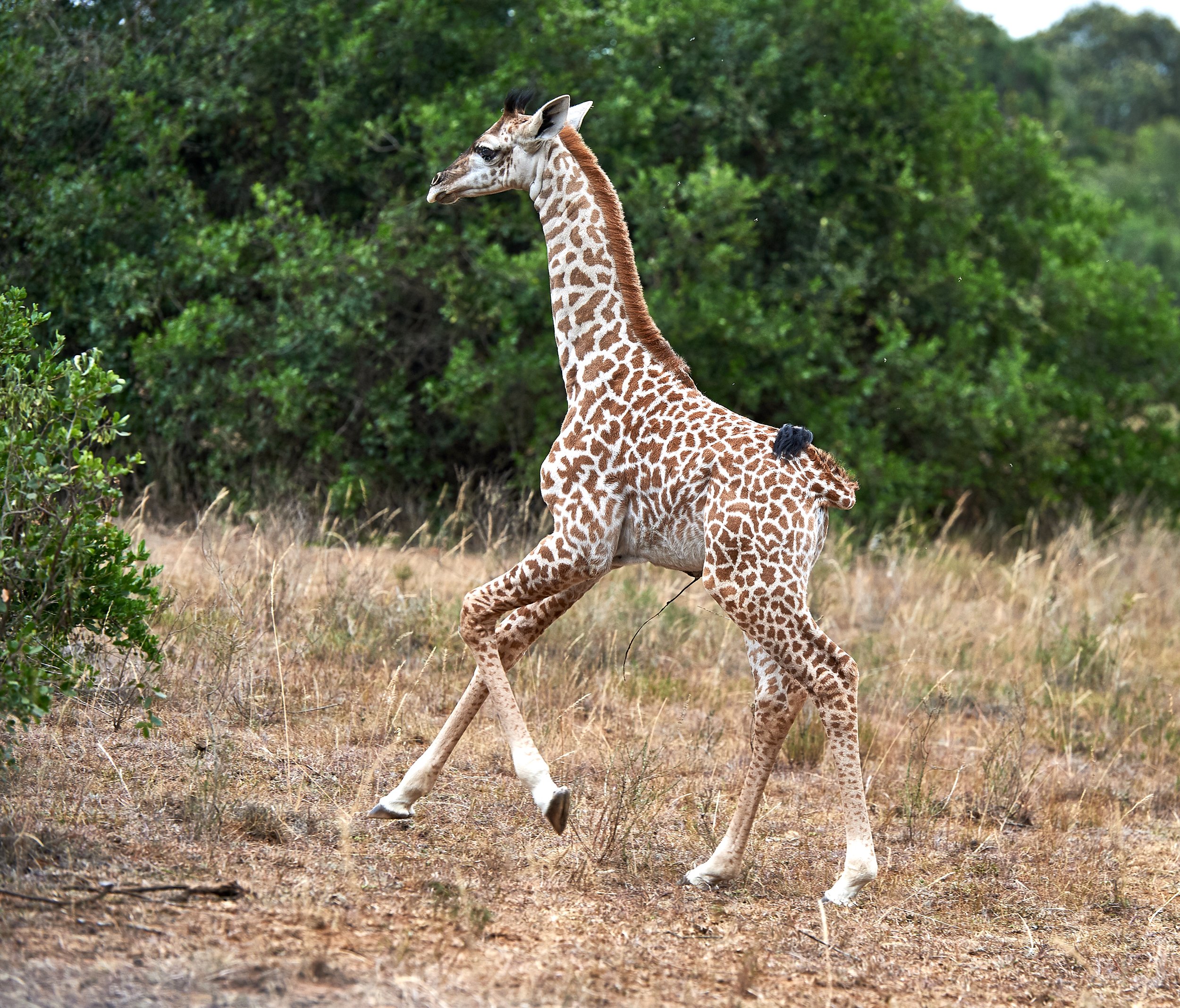
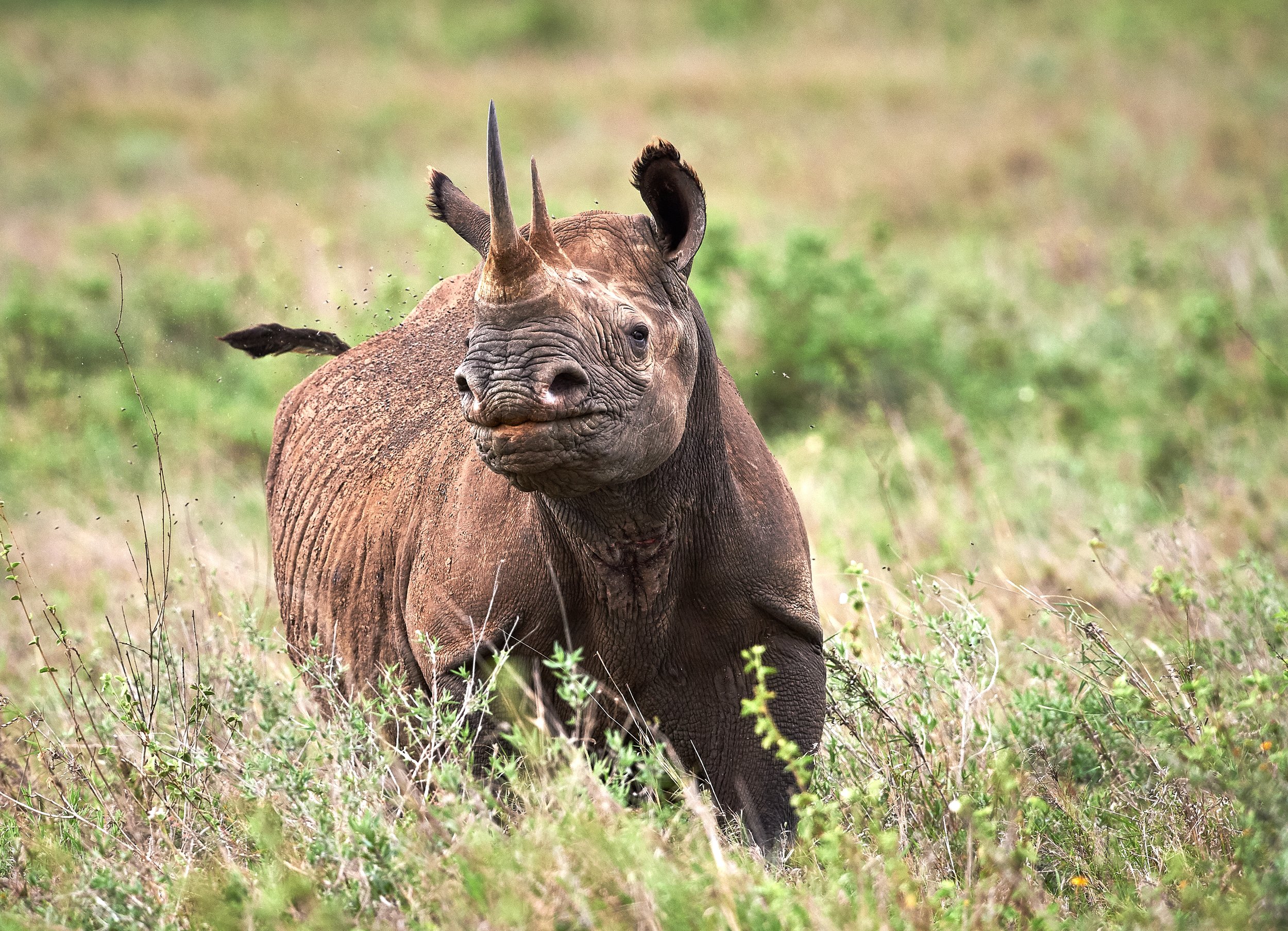
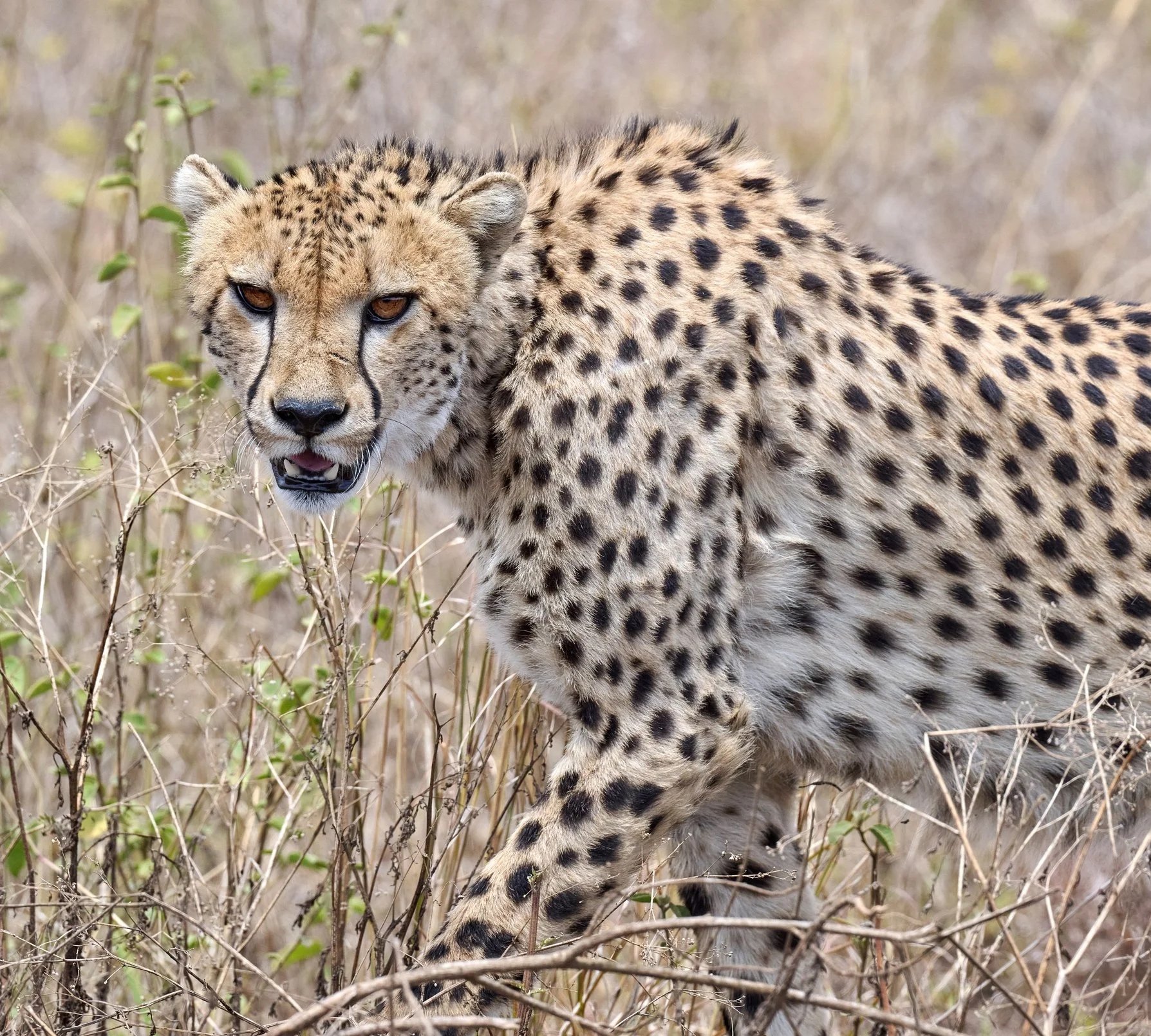
Nairobi National Park is one of the world’s most spectacular wildlife sanctuaries
Nairobi National Park’s 29,000 acres of savanna, forest and wetland sit right at the edge of Kenya’s capital, home to abundant wildlife including several endangered species. It’s an environmental and economic treasure for the city, and a powerful symbol of Kenya’s commitment to protecting its wild heritage.
Get Involved
Join Us in Keeping NNP Alive!
Three ways to stand with the park.

Join FoNNaP

Donate

Volunteer
Save Nairobi National Park
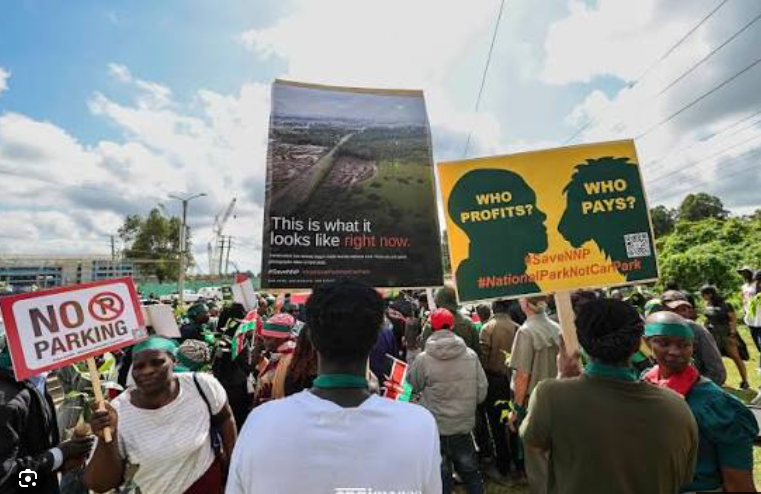
"Nairobi National Park belongs to all of us."
Nairobi National Park is the only place in the world where wild lions, rhinos, and giraffes roam against the backdrop of a bustling capital.
It's a sanctuary that reminds us how closely our lives are tied to nature. But this unique balance is fragile — expanding development, shrinking habitats and rising human‑wildlife conflict threaten the park's future. Protecting it means safeguarding Kenya's heritage, its biodiversity, and the chance for future generations to experience wild nature just minutes from the city.
Right now, that balance is being tested directly. The park is under threat from a large scale development, a new animal orphanage and parking lot linked to the Bomas International Conference Centre, planned inside ecologically fragile parkland. Over 4,600 Kenyans have joined the SaveNNP petition, one of the largest citizen-led environmental legal actions in Kenya's history.
Join us in keeping Nairobi National Park alive. Your voice, your support, and your actions matter. Together, we can ensure that the roar of lions and the flight of cranes remain part of Nairobi’s story.
Public Mobilization
4,600+ co-petitioners added their names.
Kenyans adding their names to defend a park that cannot defend itsel
The Threat
A new animal orphanage & parking lot
Development linked to the Bomas International Conference Centre, turning protected wild habitat into a high traffic commercial zone.
Legal Action
Petition No. ELCEPPET/E037/2026
Filed at the Environment and Land Court in Nairobi, arguing habitat loss, a flawed EIA, a zone violation and insufficient public participation.
Next Court Date
15 September 2026
All parties are due to file their submissions to the court by 17 August.